
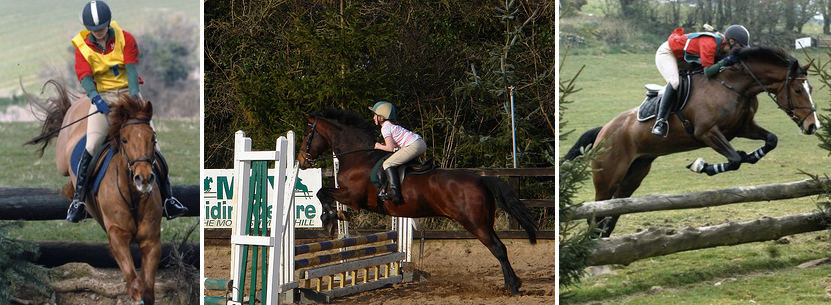
Horse riding body protectors: levels, fitting and when to wear one
A body protector is a padded vest worn over your top layer that reduces the severity of some injuries when you fall or are kicked. It will not prevent every injury, but it spreads the force of an impact and protects ribs, back and organs from some blows. For many kinds of riding it is now expected kit.
What a body protector does
Body protectors are made of shock-absorbing foam panels inside a fabric cover. When you land on the ground or a fence, or when a horse's hoof makes contact, the foam absorbs and spreads part of the energy. Tests also check that the vest covers enough of the body and resists penetration.
A body protector is not the same as an air jacket. Air jackets inflate in a fall via a lanyard attached to the saddle. Many riders who wear an air jacket wear it over a body protector, and many competition rules require that combination where air jackets are used.
The BETA 2018 standard
In Ireland and the UK, the standard you will see most often is the British Equestrian Trade Association's BETA 2018 standard, which updated the earlier BETA 2009 standard. It has three levels, each with a coloured label:
- Level 1 (green label): the lowest level of protection. It is generally considered appropriate only for licensed jockeys while racing.
- Level 2 (orange label): a lower level of protection, intended for low-risk situations. It is not considered suitable for jumping, riding on roads, young or excitable horses, or inexperienced riders.
- Level 3 (blue label): the highest level, regarded as appropriate for general riding, jumping and competition.
The BETA 2009 labels were coloured differently (Level 3 was purple), so a purple label means an older vest. Several UK governing bodies stopped accepting BETA 2009 protectors for competition from 1 January 2024. Details are on the BETA body protector page.
Body protectors to the BETA 2018 standard are also tested against the European standard EN 13158:2018, so you may see both on the label.
When should you wear one?
Requirements depend on the activity and the organisation:
- Cross-country jumping: a body protector is commonly mandatory in competition and Pony Club activities.
- Show jumping and jumping lessons: often recommended, and required by some schools and rules for young riders.
- Hacking and trekking: recommended, especially on roads, lanes and open country where falls on hard ground happen.
- Young or green horses: strongly recommended, because the risk of a fall is higher.
- Flatwork: optional, but some riders wear one at all times.
The Irish Pony Club publishes its own equipment rules, and the safety requirements for each competition are set out in its rule book. Check them before a rally or event.
How a body protector should fit
A body protector that fits badly can be uncomfortable and less effective. Buy from a retailer with trained fitters. A good fit means:
- Length at the front: from the base of the throat (the top of the breastbone) to at least the bottom of the rib cage, without digging in when you sit.
- Length at the back: from the prominent bone at the base of the neck (C7) down to about the top of the hips, clear of the saddle so it does not push you forward.
- Close and snug, not tight, with no gaps at the sides. Adjust the shoulder and side fastenings evenly.
- Room to move: you should be able to lift your arms and sit in the saddle without it riding up.
Try it on wearing the clothes you normally ride in, and sit on a saddle or fitting horse if the shop has one.
Caring for a body protector
Foam is sensitive to temperature. Most body protectors become softer and mould to the body when warm, so leave yours somewhere at room temperature before riding in cold weather. Do not leave it squashed in a car boot or under heavy items, store it flat or on a hanger, and follow the manufacturer's cleaning instructions.
When to replace it
- After a significant fall or impact, especially if you see dents in the foam that do not recover within about half an hour.
- When the standard is no longer accepted by your riding school or competition.
- When it no longer fits, which happens fast with growing children.
- When it is worn, with damaged covers or fastenings, or as the manufacturer recommends.
Body protectors for children
Children are often required to wear body protectors for jumping and Pony Club activities. Because they grow quickly, check fit at the start of every season. Buying secondhand is less risky than with hats, but only if you can confirm the standard and see that the foam is undamaged.
Frequently asked questions
What level body protector do I need?
For general riding, jumping and most competition, Level 3 (blue label under BETA 2018) is the usual recommendation and often the requirement. Level 2 is only for low-risk riding, and Level 1 is generally for licensed jockeys.
Is a body protector the same as an air jacket?
No. An air jacket inflates when a lanyard is pulled in a fall. Many riders wear one over a body protector rather than instead of it.
How tight should a body protector be?
Snug, with no gaps, but you should be able to breathe deeply, raise your arms and sit in the saddle without it digging in or riding up.
Can I use an old purple-label body protector?
Purple labels belong to the BETA 2009 standard, which several governing bodies no longer accept for competition. Check your organisation's rules; for most riders, replacing it with a BETA 2018 Level 3 vest is the safer choice.