
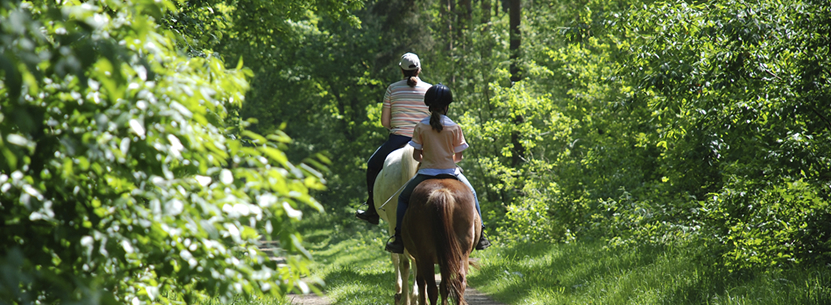
Adult horse riding lessons: learning to ride as an adult
Plenty of people come to riding as adults. Some rode as children and drifted away, some always wanted to and never had the chance, and some start because their own children have caught the bug. Whatever the reason, adult beginners are common at riding schools, and with the right approach they make steady, enjoyable progress.
This guide covers what is genuinely different about learning as an adult and how to make the most of your lessons.
What is different for adults?
Children often learn to ride by feel and fearlessness. Adults usually learn by understanding, and that is not a disadvantage. You will ask why a horse responds to a particular aid, and once you understand it you tend to apply it more consistently.
The differences that matter most are:
- Fear of falling. Adults are more aware of the consequences of a fall, especially if work or family depends on them. That caution is sensible. It just needs managing so it does not make you tense, because horses notice tension.
- Fitness and flexibility. Riding uses the core, inner thighs, lower back and calves. Hips that have spent years at a desk can find the position awkward at first.
- Time. Adults fit lessons around work, so consistency can slip. Regular weekly lessons usually beat occasional long ones.
- Self-consciousness. Many adults worry about being the only grown-up in a lesson full of confident children. Ask about adult-only or private sessions if that bothers you.
Private lessons or group lessons?
Private lessons let an instructor tailor the pace completely to you, which suits nervous riders and anyone who wants to progress quickly. Once you can walk, trot and steer independently, a small adult group can be a sociable way to keep riding and to learn by watching others. Many adults mix the two.
Choosing a riding school
Look for a school that:
- Is approved by the Association of Irish Riding Establishments (AIRE), which inspects member centres for safety, teaching standards and horse welfare. AIRE's published membership requirements include minimum instructor qualifications.
- Has horses suitable for adults of your height and weight. Ask about weight limits honestly; they exist to protect the horses.
- Offers a clear route of progression, for example graded tests or exams.
- Lets you watch a lesson before you book, so you can see how instructors speak to riders and how calm the horses are.
Building confidence
Confidence comes from repetition on a horse you trust. A few practical habits help:
- Ride the same horse for a while. Familiarity reduces surprises and lets you focus on your position.
- Tell your instructor what worries you. If cantering, a particular horse or riding outside the arena makes you anxious, say so. A good instructor will break it into smaller steps.
- Learn the ground work. Grooming, tacking up and leading build understanding of horse behaviour, which makes the riding less mysterious.
- Breathe out. It sounds trivial, but holding your breath stiffens your whole body. Many instructors ask adult riders to talk or sing quietly to keep breathing steady.
Fitness off the horse
You do not need to be an athlete to ride, but some simple work between lessons makes a noticeable difference:
- Core exercises such as planks and dead bugs for stability in the saddle.
- Hip-opening stretches for a deeper, more relaxed seat.
- Calf raises and squats for leg strength and a secure lower leg.
- Walking, cycling or swimming for general stamina, because a full hour in the saddle is tiring at first.
Expect sore inner thighs after the first few lessons. That fades quickly with regular riding.
Equipment worth buying early
Most schools lend hats, but adults who ride regularly usually buy their own:
- A riding hat to a current safety standard, properly fitted by a trained fitter. See our guide to riding hat standards.
- Jodhpur boots or short riding boots with a small heel.
- Jodhpurs or riding tights for comfort and grip.
- A body protector if you plan to jump or ride out. Our body protector guide explains the levels.
The what to wear horse riding guide covers clothing in more detail.
Setting goals
Goals keep adult riders motivated. They do not have to be competitive. Examples include rising trot without stirrups, a first canter, a hack outside the arena or jumping a small course. Some adults enjoy structured goals such as riding exams; the examinations page describes the A.I.R.E. system, and many riding schools in Ireland also prepare riders for British Horse Society stages.
If you enjoy competing in a relaxed setting, clear-round show jumping is a gentle introduction. The show jumping page describes how a clear-round day works.
Is it ever too late?
Riding schools regularly teach adults who start in their forties, fifties and beyond. The real limits are fitness, balance and the availability of a suitable horse, rather than age itself. If you have a medical condition affecting your back, joints or balance, speak to your doctor before starting and tell the instructor.
Frequently asked questions
How many lessons does an adult beginner need?
There is no fixed number. Riders who take a weekly lesson often walk and steer independently within a handful of lessons, with trot and canter following as balance improves. Consistency matters more than the total.
Are adult horse riding lessons more expensive than children's?
Pricing varies by school and by lesson type. Private lessons generally cost more than group lessons, whatever your age. Ask each school directly for its current prices.
Is there a weight limit for adult riders?
Most riding schools set weight limits for the welfare of their horses, and they vary with the size and type of horses available. Ask when you book; it is a normal question.
Can I learn to ride if I am nervous?
Yes. Many adults start nervous. Telling the instructor, riding a calm schoolmaster horse and moving at your own pace are the most effective ways to build confidence.